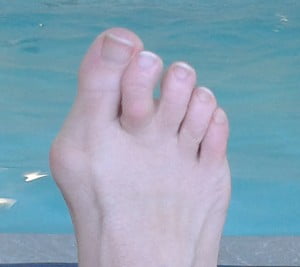

Flat feet occur when the arch on the inside of a child’s foot is low or not visible when they stand. This is extremely common in young children because their bones, muscles and ligaments are still developing, and most will naturally form arches as they grow.
While flat feet are usually nothing to worry about, understanding what is normal and what may need attention can help parents feel confident about their child’s foot health and overall development.
Causes of Flat Feet
Flat feet often develop because:
- Young children naturally have softer tissues and more cushioning under their feet.
- The arches are still developing and may not be clearly visible yet.
- Increased joint flexibility can cause the foot to rest flatter on the ground.
- An underlying structural issue is present, though this is much rarer.
Symptoms of Flat Feet
Most children with flat feet have no symptoms at all. If symptoms do appear, they may include:
- Pain in the feet, ankles, or legs
- Tiredness after walking or running
- Difficulty keeping up with other children
- Shoes that wear out unevenly
If your child feels no pain and both feet look similar, flat feet are usually nothing to worry about.
How to Check for Flat Feet
Understanding a few key signs can help you decide when your child may need a closer look.
- Look at their footprint
When your child stands, does most of the foot touch the ground with little or no arch showing? This may suggest a flatter foot posture. - Observe them from behind
If the ankles appear to roll inward, or the feet look as though the heels are “tilting out” this can be another sign. - Try the tip-toe test
Ask your child to stand on tiptoes. If an arch appears, this usually indicates a flexible flat foot, which is very common and seldom any cause for concern. - Notice how they walk
Uneven shoe wear, clumsiness or walking that looks slightly different from other children may also be worth noting.
How Can Flat Feet in Children Be Treated?
No treatment is needed for most
Most children develop stronger arches as they grow. Many children experience no pain or functional issues at all, so active treatment isn’t usually necessary. Regular monitoring and reassurance are often all that is required, unless symptoms appear.
Supportive footwear
Well-fitted, supportive shoes can help improve comfort during activity. Footwear with a firm heel counter and cushioned sole helps guide the foot into a more stable position, reducing strain and encouraging healthy movement patterns as your child grows.
Orthotic insoles
If your child experiences discomfort, fatigue, or uneven shoe wear, orthotic insoles may help by improving foot alignment and reducing pressure on sensitive areas. While these devices do not create or “fix” an arch, they can provide valuable comfort and support during everyday activities.
Stretching and strengthening
Exercises may be recommended if tightness (often in the calf muscles) contributes to the flat foot posture. Stretching the calf muscles, strengthening the foot muscles and improving balance can all help the foot function more efficiently. These exercises are simple, child-friendly and can be easily incorporated into daily routines with help from their parents.
Professional assessment
A specialist review is advised if the flat foot is painful, noticeably worse on one side, or appears stiff or rigid. Early assessment helps prevent discomfort from worsening and provides peace of mind for parents. A clinician can evaluate whether the flat foot is flexible or rigid and identify any underlying concerns.
Are Insoles Helpful for Children with Flat Feet?
Insoles for flat feet in children can provide comfort and support, especially during sports or long periods of activity. However, it’s important to know that they do not permanently correct or reshape the arch; they simply support the foot as your child grows.
Is Surgery Needed?
It is extremely rare for surgery to be needed for flat feet. In some other countries a screw is often used to reposition the bones, and then usually a second operation is needed to remove it later. There is very little good evidence to support this treatment.
When Should You Seek Medical Advice?
If you are concerned about your child’s flat feet or if they are experiencing pain, tiredness, or difficulty walking, a professional assessment from our paediatric consultants can offer clarity and reassurance.
At LFAC, we can evaluate your child’s foot posture, identify any underlying issues. Contact us today to schedule your consultation, and we can recommend the most suitable treatment plan, if any is needed at all.