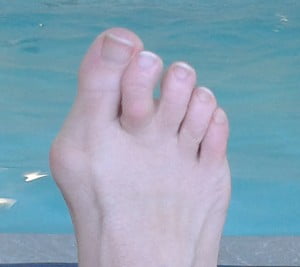

Bunions are a common foot condition in which the big toe gradually shifts toward the second toe, forming a bony bump on the side of the foot. This occurs when the big toe joint becomes misaligned. Over time, pressure from footwear, genetics, and abnormal foot mechanics can worsen the deformity, leading to pain, swelling, or stiffness.
While some people experience only mild discomfort, others find bunions can increasingly limit daily activities, impact footwear choices and affect overall mobility.
Recognising symptoms, understanding available treatments, and knowing when to consider bunion surgery can help you make informed decisions about your long-term foot health.
Non-Surgical Treatments
Before considering surgery, it’s important to explore conservative treatment. These won’t cure a bunion, but they can significantly reduce discomfort and slow the progression.
- Footwear change: Choose shoes with a wide toe box, soft uppers, and low heels. Custom orthotics or simple inserts can also improve foot mechanics and reduce pressure on the joint.
- Padding and taping: Moleskin or gel pads help reduce rubbing, while taping can support proper alignment and ease strain.
- Ice and Anti-Inflammatory Medication: Applying ice and using over-the-counter anti-inflammatory medication can help manage pain and swelling.
- Calf stretches & Physiotherapy: Tight calf muscles can worsen bunion symptoms. Regular stretching and physiotherapy can improve flexibility and strengthen the small muscles of the foot, which may help reduce discomfort.
- Injections: Corticosteroid injections may temporarily reduce inflammation, especially if bursitis is present.
Non-surgical care can be very effective for early or moderate bunions. However, if symptoms continue to worsen or begin to limit mobility despite these measures, it may be time to consider surgical options.
When to Opt For Bunion Surgery
Surgery is typically considered when non-surgical treatments fail to provide adequate relief or when the bunion has started to significantly impact your quality of life.
Several factors may indicate the need for surgery:
- Persistent Pain: If you experience constant or severe pain that limits your ability to walk, exercise, or wear shoes comfortably, surgery may be necessary to alleviate the discomfort.
- Progressive Deformity: If the bunion continues to worsen over time, leading to increased deformity and difficulty in wearing shoes, surgery may be the best option to correct the alignment and prevent further deterioration.
- Failed Treatments: If you’ve tried non-surgical treatments without significant improvement in your symptoms, surgery may be the next step in managing your bunion.
- Arthritis: In some cases, bunions can lead to arthritis in the big toe joint, causing stiffness, pain, and reduced mobility. Surgery may be necessary to address both the bunion and the arthritic changes.
Types of Bunion Surgery
There is no one-size-fits-all operation. Your surgeon will recommend a procedure based on severity, symptoms, and overall foot mechanics.
- Osteotomy: The most common approach. The bone is cut, realigned, and fixed with screws or a small plate. Metalwork usually stays in permanently.
- Arthrodesis: The big toe joint is fused to remove pain and correct alignment. This is typically used for severe arthritis or when other surgeries aren’t suitable.
- Resection arthroplasty: Part of the joint is removed to create a more functional space. Reserved for patients with severe arthritis or previous failed surgery.
- Minimally invasive bunion surgery: Involves small incisions rather than a traditional cut. Outcomes are comparable to standard osteotomy, but it isn’t appropriate for every case.
Is Surgery Right for You?
Deciding if and when to have bunion surgery is a personal choice that should be made based on your individual circumstances. Consider the following questions when making your decision:
How severe are your symptoms?
If your bunion causes significant pain, interferes with your daily activities, and limits your ability to wear shoes, surgery may be a reasonable option. Surgery is not advisable for purely cosmetic reasons.
Have you tried conservative treatments?
If non-surgical treatments have not provided sufficient relief, surgery may be the next logical step.
What are your goals?
Consider what you hope to achieve with surgery. If your goal is to relieve pain, correct deformity, and improve your overall quality of life, surgery may be worth considering.
Are you prepared for recovery?
Bunion surgery requires a commitment to the recovery process, which always involves several weeks or months of limited activity, physical therapy, and follow-up appointments. Ensure that you are prepared for the time and effort required to achieve a successful outcome.
What are the risks?
Discuss the potential risks and complications with your surgeon and consider whether you are willing to accept these risks in exchange for the potential benefits of surgery. Problems occur only rarely, but if you suffer a complication, then it can cause you a great deal of trouble and even result in the foot being worse rather than better.
At LFAC’s Bunion Treatment Centre, we’ll carefully evaluate each patient’s unique circumstances before recommending any procedure. Bunions are a very common condition that can range from being mildly annoying to significantly disabling. For those with persistent pain, progressive changes, or difficulty wearing normal shoes, surgery can offer lasting relief and improved quality of life.
If you are struggling with bunion pain and considering surgical treatment, our experienced consultants at The London Foot and Ankle Centre are here to help. We provide thorough evaluations and personalised recommendations to ensure you receive the treatment best suited to your needs. Contact us today to schedule your consultation and take the first step toward restoring comfortable, pain-free mobility.

Matthew Solan
This article was reviewed by Mr Matthew Solan, a consultant orthopaedic surgeon. He has been with LFAC since its formation in 2003.