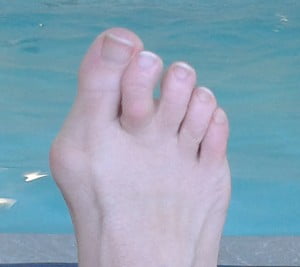

A bunion can start as a small bump on the side of your big toe, but over time it might become painful, affect how you walk, and make it difficult to wear certain shoes. If your bunion is causing ongoing problems, you may start wondering, ‘do I need surgery for my bunion?’.
The good news is that many bunions do not require surgery, especially if the benefits of this are only cosmetic. Bunion surgery is only really considered if symptoms are persistent, make daily life uncomfortable and have not improved with non-surgical treatments.
What is a bunion?
A bunion, or hallux valgus, is a change in the alignment of the joint at the base of the big toe. The big toe gradually moves towards the other toes, while the joint becomes more prominent on the inside of the foot.
Bunions can vary considerably in severity. Some people may notice a significant bump but very little pain, but others might have swelling, stiffness and difficulty walking.
Just because you have a bunion doesn’t mean you need to have bunion surgery. Your consultant will assess the appearance and your symptoms first.
Do I need surgery for a bunion?
In some cases, bunion surgery is necessary and may be recommended if:
- You have persistent or worsening pain
- You have trouble walking or exercising
- Most footwear is uncomfortable to wear
- Your symptoms haven’t improved with other treatments
- The bunion is causing problems with other toes or parts of the foot
When should you consider non-surgical treatments for bunions?
Normally, the first step is to manage bunion symptoms without surgery. This may include wearing shoes with a wider toe box, avoiding footwear that puts pressure on the end of the toes, using protective pads, and taking pain relief.
Sometimes, exercises or physiotherapy helps maintain movement and strength. These approaches cannot usually straighten a bunion permanently, but they reduce discomfort and help you remain active.
If these steps control your symptoms well, you might not need surgery.
What does bunion surgery involve?
There are several types of bunion surgery, with each one depending on the shape and severity of the bunion.
One of the most common types is osteotomy, where the surgeon cuts and realigns the bones in the foot. During the healing process, the bones will become secured in the correct position.
In some cases, other procedures may be more appropriate, particularly when there’s arthritis present, or more complex joint damage.
Your surgeon will assess your foot to understand the alignment of the bones to determine which procedure is best for you. This assessment helps the surgeon choose an operation that addresses the underlying bone and joint alignment rather than simply removing the visible bump.
Is bunion surgery worth it?
For people with ongoing, significant symptoms, bunion surgery can provide substantial improvement in pain and mobility. But, it is still a surgical procedure that requires a period of recovery.
As with any surgical procedure, there are always risks that people need to be aware of. In this case, the risks include infection, nerve irritation, stiffness, recurrence of the bunion and bone complications. This is why the decision to go through with surgery should be based on your symptoms, expectations and overall health. Our consultants will help you make your decision.
When should you see a specialist?
Seeing a specialist is always a good idea if you’re experiencing any kind of ongoing discomfort, but definitely if your bunion is becoming increasingly painful, affecting your ability to walk, or making normal footwear uncomfortable.
Our team can examine your foot, assess the severity of your bunion, and discuss whether conservative treatment is appropriate or whether bunion surgery is better suited.
There isn’t really a set answer to “do I need surgery for my bunion?”. The right treatment depends on the personal case. If your bunion is not causing significant problems, surgery might not be necessary. The main goal is not just to improve appearance, but to relieve symptoms and help you return to comfortable, everyday activities.
Book a consultation
We have multiple centres located around London. To book a consultation with one of our foot and ankle specialists, contact us via phone on 0207 078 3800 or fill out our online consultation form. We look forward to speaking with you.