
The option of choosing barefoot or minimalist shoes is becoming increasingly popular across the United Kingdom, with a wide range of benefits listed in adverts. But, with that being said, is this simply another footwear trend or are ditching the everyday trainers actually healthier for your feet?
What are barefoot shoes?
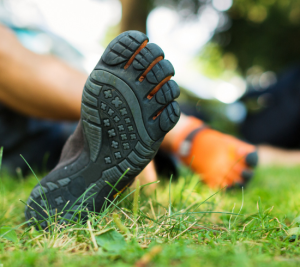
Barefoot shoes are designed to be as close to the sensation of being barefoot as possible, while maintaining a level of comfort and protection from injury. To achieve this, the shoes are made of thin and flexible material with grip on the soles.
These shoes are wide-toed and include a zero to minimal heel-to-toe drop, meaning your toes and heels would be on the same level, unlike normal trainers where the heel is elevated. Because of their thin material and zero drop, barefoot shoes have minimal cushioning, allowing for better foot support to move and function more naturally.
What are the potential benefits of barefoot shoes?
There are multiple potential benefits to barefoot shoes, but making sure they’re appropriate for you is important to avoid injury.
More natural foot movement
The flexible sole allows greater flexibility through the foot and a wide toe box gives the toes more room to spread.
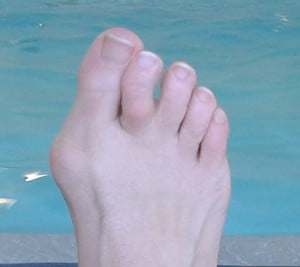
This extra space might be appealing to many, who find ordinary shoes restrictive around the toes. When your toes are able to spread, walking can feel more comfortable, but the benefits of this depend on the shape of your foot.
Strengthening foot muscles
National Library of Medicine suggests that by wearing shoes with limited to zero foot support, the muscles in the ankles and feet strengthen over time, because they have to work harder, but this research is still developing.
Greater sensory feedback
Thin soles allow you to feel the ground more clearly. This can improve balance, coordination and awareness of foot positioning. But, this might not be the case for everyone, especially for those who have an underlying condition impacting sensation or stability.
Comfort for some people
Some people might find the wide toe box and flexibility more comfortable. But, it’s important to remember that this isn’t the case for everyone, with each individual’s idea of comfort being different.
Are there any downsides?
There are a few pointers to be aware of when making the switch to barefoot shoes. You might want to consider:
Transition injuries
As with any new shoes, there is an adjustment period where your feet have to get used to new weight distribution. This puts pressure on the sole, calves and Achilles tendon. At this stage, injuries can be more likely.
Less protection
Minimal or barefoot styles offer less cushioning and protection from hard or uneven surfaces.
Limited activity options
Some activities and surfaces are better suited to more structured footwear
Existing foot problems
People with certain foot conditions or injuries may need personalised advice from our clinic.
The transition matters
Wearing barefoot shoes for short periods initially, before gradually increasing wear will be more appropriate than changing footwear overnight.
Who might benefit from barefoot shoes?
Barefoot shoes are great for those wanting a more natural-feeling shoe and are looking for more room for the toes. We’d strongly advise very gradually transitioning, to reduce the chances of injury.
How to transition to barefoot shoes safely
There are a few steps to take in order to break into barefoot shoes safely.
- Start by wearing them for short periods of time
- Begin everyday walking rather than jogging or running
- Pay attention to pain or persistent soreness and seek specialist advice if necessary
- Avoid using them for long runs straight away, as your feet haven’t had time to adjust to the lack of foot support
So, are barefoot shoes actually good for your feet?
Barefoot shoes aren’t universally good or bad for our feet. It depends on your previous injury history and your foot structure. They encourage flexible and more natural movement, provide more toe space and in some cases, help to build foot strength, but the transition needs to be researched fully because they are not appropriate for everyone.
Book a consultation
If you’re currently experiencing pain or discomfort after wearing barefoot shoes, or you’re wondering whether you’d benefit from this kind of footwear, get in touch with our clinic by calling 0207 078 3800, or by completing our short consultation form.